About UW School of Medicine
Founded in 1946, innovating every day since.
Global Impact
Recognized for advancing medical knowledge through scientific research; UW Medicine scientists explore every aspect of health and disease, from the molecular mechanisms of gene action to population studies of global illnesses.
Elevating Communities
Our graduates: physicians, scientists, allied health personnel and scholars in medical history and ethics, go on to serve in a wide variety of capacities. Many M.D. and physician assistant alumni practice in areas of need, such as rural towns, inner cities and in developing nations.
Interdisciplinary Collaboration
Recognized for excellence in training primary care physicians and advancing medical knowledge through research, UW Medicine scientists, educators and clinicians are dedicated to helping each other reach the common goals of improving health and alleviating suffering from disease.
What makes the UW School of Medicine different?
Our mission guides us to improve the health of the public by educating and empowering the next generation of physicians, researchers and stewards of wellness in the Pacific Northwest and beyond.
The University of Washington School of Medicine (UWSOM) was founded in 1946. In the early 1970s, it formed a unique partnership with the states of Washington, Alaska, Montana and Idaho, adding Wyoming in 1996, to provide innovative and cost-effective medical education to this region known as WWAMI.
Recognized for advancing medical knowledge through scientific research, UW Medicine scientists explore every aspect of health and disease, from the molecular mechanisms of gene action to population studies of global illnesses. Their work has contributed to improved understanding of the causes of disease and to better treatments and prevention of many disorders.
Full-time physician faculty staff UW Medical Center and Harborview Medical Center, as well as the Veterans Affairs Puget Sound Health Care System and Seattle Children’s. UWSOM faculty also practice in UW Medicine Primary Care locations throughout Puget Sound, and provide expert consultation to practicing physicians throughout the five-state region.
The University of Washington School of Medicine is consistently recognized as one of the nation's top schools for training physicians, and one of the nation's leading research institutions.
The UW School of Medicine is committed to building and sustaining a multicultural community that fosters equity, diversity and inclusion. We believe that this is achieved by intentionally creating opportunities for involvement, participation and growth for each individual and by nurturing a positive institutional climate through professional development, education, policy and practice.
The UW School of Medicine is committed to the promotion of professionalism in our community of faculty, staff, trainees and students. To support this, the Committee for Continuous Professionalism Improvement (CPI) was created. The CPI Committee is charged with overseeing and promoting professionalism throughout the medical school and all teaching sites.
- The WWAMI (Washington, Wyoming, Alaska, Montana and Idaho) states make up 27% of the land mass of the United States but contain only 3.3% of the population.
- The UW School of Medicine is the only five-state medical school in the country.
- The school is nationally recognized for its innovative regional training program.
- Students from Wyoming, Alaska, Montana and Idaho complete the Foundations phase of the curriculum in small learning groups in their respective home states.
- Students from Washington attend their Foundations phase in Seattle or Spokane.
- Regional Clerkship Sites: UWSOM prides itself on the depth and breadth of excellent clinical educational opportunities available throughout all of the five states that comprise the WWAMI medical education program. The regional nature of our medical school allows our students to experience the entire gamut of medical care, both rural and urban, including private practice, community health care centers, community hospitals, tertiary care hospitals and quaternary care hospitals.
The UW School of Medicine provides opportunities for training with providers in all types of medical care settings.
- Tertiary care: UW Medical Center; Seattle Children’s Hospital; VA Puget Sound Health Care System; Harborview Medical Center (level 1 trauma center)
- Affiliated Community Hospitals
- Community Healthcare Centers (urban and rural)
- Private Practices (urban and rural)
- International Health Clinics (local and abroad)
- Indian Health Service Clinics: A distinguishing characteristic of UWSOM is interdisciplinary collaboration. Scientists, educators and clinicians are dedicated to helping each other reach the common goals of improving people's health and alleviating suffering from disease.
- Since 1974 the UW School of Medicine has ranked consistently among the top three schools in receipt of National Institutes of Health (NIH) grant funding.
- More than a hundred UW spinoffs and startups are in the biotechnology, medical devices, or general health and medicine sectors.
- M.D./Ph.D. Program (MSTP) The Medical Scientist Training Program is designed for highly qualified candidates who wish to obtain both M.D. and Ph.D. degrees and to pursue careers in basic medical research.
- Ph.D. Programs The UW School of Medicine provides advanced scientific training toward Ph.D. degrees in biomedical research in a resource-rich, collaborative environment dedicated to scientific discovery.
Clinical experiences are available at 50+ sites for required clerkships in addition to 100+ RUOP sites and 15 WRITE sites. TRACKs are also available to allow students to spend an entire year in one WWAMI state.
- RUOP: Rural Underserved Opportunities Program, a four-week, elective immersion experience in community medicine for students between their first and second years of medical school.
- WRITE: WWAMI Rural Integrated Training Experience, a 20-week, rural clinical medical training experience for a pre-selected group of third-year medical students.
- TRACK: WWAMI State Track Program, allows a select group of students to complete most of the required clerkships scheduled in one specific site/state throughout the WWAMI region during their third or fourth year of medical school.
- TRUST: Our Targeted Rural Underserved Track Program is available in Washington, Wyoming, Alaska, Montana and Idaho and is an integrated program for students interested in rural or underserved medicine. Beginning the summer before medical school and continuing throughout the curriculum, TRUST scholars participate in clinical and classroom experiences, online discussions, and regional or national conferences, exposing them to the satisfaction, challenges and lifestyle of a physician practicing in rural and underserved areas.
UWSOM Medical Student Education Program Strategic Plan
Mission Statement
The University of Washington School of Medicine Medical Student Education Program will improve the health of the public by educating inquisitive, compassionate physicians who serve the evolving healthcare needs of diverse individuals while striving for healthcare justice and equity.
Vision Statement
Empowering students to become the physicians they aspire to be through innovative regional medical education.
Values
The UWSOM MSEP Values will be integrated within our strategic priorities, outcomes, and decision making to guide our path forward.
- Collaboration
- Excellence
- Justice, Equity, Diversity & Inclusion
- Respect
- Stewardship
- Student Engagement & Leadership
Strategic Priorities
In order to achieve our Mission and Vision and to serve our students well, the MSEP will focus on the following Strategic Priorities over the next 5 years. These will be key to driving us towards our Mission and Vision in an outcomes-based manner.
- Optimize the Medical Student Education Program governance structure and align resources to meet regional needs.
- Foster collaborative and innovative regional medical education that recognizes the attributes of regional sites.
- Become an inclusive and anti racist medical student education program that dismantles all types of oppression in the learning environment.
- Instill a continuous quality improvement culture throughout UWSOM's medical student education program.
- Support faculty and staff education and lifelong learning across the region to optimize teaching outcomes as well as fostering recruitment, retention, and recognition.
The UW School of Medicine has undergone many innovative changes over the past 40 years. The Colleges was incorporated to provide consistent mentoring in clinical skills, professionalism and patient-centered care. The Colleges structure helps make a large university intimate.
- 8 colleges
- 6-7 faculty mentors in each college
- 6-7 students per year for each faculty mentor
Medical students can select one or more of nine pathways to develop knowledge and skills specifically tailored to working with vulnerable populations here and abroad. Each Pathway allows students to organize their courses, clinical rotations and volunteer opportunities around a particular community, population, or aspect of underserved medicine with mentorship from faculty, staff and community providers and partners who share those interests.
- Black Health Justice Pathway
- Global Health Pathway
- Indian Health Pathway
- Latinx Health Pathway
- LGBTQ Pathway
- Underserved Pathway
- Humanities and the Arts Pathway (HAP)
- The Spokane Leadership Pathway
- The Clinical and Translational Research Pathway
M.D. Program policies
M.D. Program compliance
Graduate Medical Education policies
UW School of Medicine departments and programs
Many of the departments listed below are linked to independent, departmentally or divisionally maintained websites.
- Allergy and Infectious Diseases (Dept. Of Medicine)
- Anesthesiology and Pain Medicine
- Biochemistry
- Bioengineering
- Bioethics and Humanities
- Biological Structure
- Biomedical Informatics and Medical Education
- Cardiology (Dept. Of Medicine)
- Comparative Medicine
- Department of Medicine
- Dermatology (Dept. Of Medicine)
- Emergency Medicine
- Family Medicine
- Gastroenterology (Dept. Of Medicine)
- General Internal Medicine (Dept. Of Medicine)
- Genome Sciences
- Gerontology and Geriatric Medicine (Dept. Of Medicine)
- Health Metrics Sciences
- Hematology (Dept. Of Medicine)
- Global Health
- Immunology
- Laboratory Medicine
- MEDEX Northwest Physician Assistant Training Program
- Medical Genetics (Dept. Of Medicine)
- Metabolism, Endocrinology and Nutrition (Dept. Of Medicine)
- Microbiology
- Nephrology (Dept. Of Medicine)
- Neurological Surgery
- Neurology
- Obstetrics and Gynecology
- Oncology (Dept. Of Medicine)
- Ophthalmology
- Orthopaedics and Sports Medicine
- Otolaryngology / Head and Neck Surgery
- Pathology
- Pediatrics
- Pharmacology
- Physiology and Biophysics
- Psychiatry and Behavioral Sciences
- Pulmonary and Critical Care Medicine (Dept. Of Medicine)
- Radiation Oncology
- Radiology
- Rehabilitation Medicine
- Rheumatology (Dept. Of Medicine)
- Department of Surgery
- Cardiothoracic
- General Surgery
- HMC Trauma and Burn
- Pediatric Surgery
- Plastic Surgery
- Transplantation
- Vascular Surgery
- VA Puget Sound Health Care Surgery
- Urology
- Willed Body Program
- Other Health Science Schools
Message from the UW School of Medicine Academic Affairs Deans
The University of Washington School of Medicine is committed to providing support to all students—especially to those from marginalized groups—and to maintaining privacy of student records including immigration status. Furthermore, the school continues to be committed to accepting students covered under the Deferred Action for Childhood Arrivals (DACA), and supporting them once they matriculate.
We also affirm UW President Ana Mari Cauce’s statement that we are “…proud to be the home to students, staff and scholars from around the world. We stand with them and will provide them with support as needed. We are fully committed to providing a safe, secure and welcoming environment that protects the privacy and human rights of all members of our community including DACA students. The UW Police Department does not and will not detain, question or arrest individuals solely because they lack documentation. Nor do they or will they inquire about immigration status when they detain, question or otherwise interact with people.”
Please contact any one of us if you would like to discuss this or other related issues further.
Suzanne Allen, MD, MPH, Vice Dean for Academic, Rural and Regional Affairs
Gabriel Sarah, MD, MAEd., Associate Dean for Student Affairs
Sara Kim, PhD, Associate Dean for Educational Quality Improvement
LeeAnna Muzquiz, MD, Associate Dean for Admissions
Heather McPhillips, MD, Associate Dean for Curriculum
Darryl Potyk, MD, Associate Dean for Eastern Washington
Meet our leaders
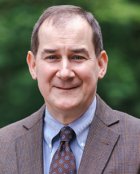
Timothy H. Dellit, M.D.
Chief Executive Officer, UW Medicine
Executive Vice President for Medical Affairs and
Paul G. Ramsey Endowed Dean of the School of Medicine,
University of Washington
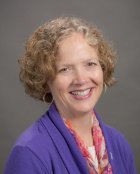
Suzanne M. Allen, M.D., M.P.H.
Vice Dean for Academic, Rural and Regional Affairs
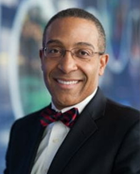
Byron Joyner, M.D.
Vice Dean for Graduate Medical Education and Designated Institutional Official
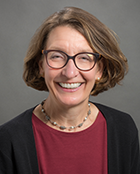
Patricia Kritek, M.D., Ed.M.
Vice Dean for Faculty Affairs
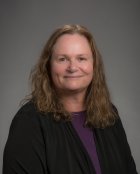
Julie Reid
Vice Dean for Administration and Finance
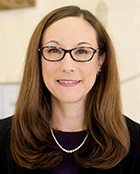
Shelly Sakiyama-Elbert, Ph.D.
Vice Dean for Research and Graduate Education
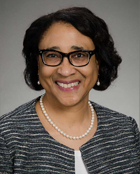
Bessie Young, M.D., M.P.H.
Vice Dean for Equity, Diversity and Inclusion

Jennifer Best, M.D.
Associate Dean for Graduate Medical Education
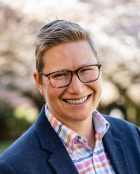
Anne Browning, Ph.D.
Associate Dean for Well-Being
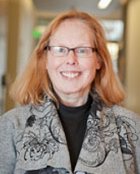
Mary Lenora "Nora" Disis, M.D.
Associate Dean for Translational Science

TBD
Associate Dean and Chief Financial Officer
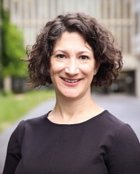
Cindy A. Hamra, J.D., M.A.
Associate Dean for Operations and Administration, Graduate Medical Education
Ashlee Harty
Associate Dean for Academic and Staff, Human Resources
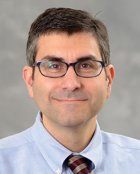
Marshall S. Horwitz, M.D, Ph.D.
Associate Dean for Physician-Scientist
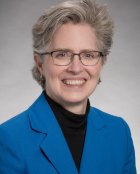
Nancy Hovis
Associate Dean, Business and Regulatory Affairs
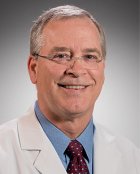
Paul James, M.D.
Associate Dean for Primary Care
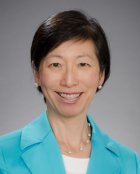
Sara Kim, Ph.D.
Associate Dean for Educational Quality Improvement
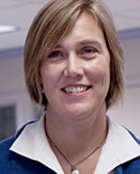
Heather McPhillips, M.D.
Associate Dean for Curriculum

Angela Moore, M.H.A.
Associate Dean for Administration and Operations
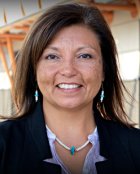
LeeAnna Muzquiz, M.D.
Associate Dean for Admissions
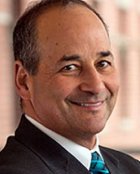
Darryl Potyk, M.D.
Associate Dean for Eastern Washington
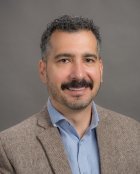
Gabriel E. Sarah, M.D., M.A.Ed.
Associate Dean for Student Affairs
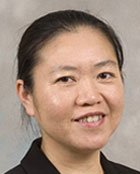
Tueng T. Shen, M.D., Ph.D.
Associate Dean for Medical Technology Innovation
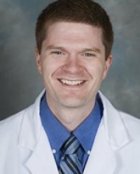
Nathan White, M.D.
Associate Dean for Research and Graduate Education
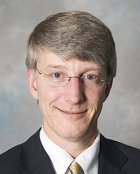
J. Richard Goss, M.D.
Associate Dean and Medical Director, Harborview Medical Center
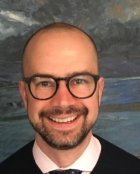
Jesse Markman, M.D.
Acting Associate Dean and Chief of Staff
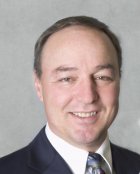
Thomas Staiger, M.D.
Associate Dean, UW Medical Center
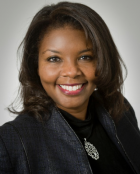
Leslie Walker-Harding, M.D., F.A.A.P., F.S.A.H.M.
Associate Dean and Chief Academic Officer, Seattle Children's
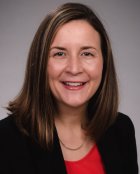
Giana H. Davidson, M.D., M.P.H.
Assistant Dean for Professionalism
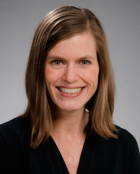
Molly Jackson, M.D.
Assistant Dean for the Colleges
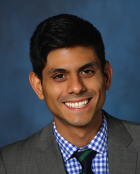
Joshua Jauregui, M.D.
Assistant Dean for Clinical Curriculum
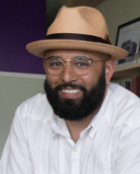
Edwin Lindo, J.D.
Assistant Dean for Social and Health Justice
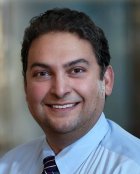
Erik D. Malmberg, Ph.D., J.D.
Assistant Dean for Equity and Medical Student Engagement
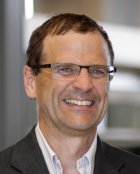
John McCarthy, M.D.
Assistant Dean for Rural Programs
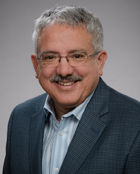
Leo Morales, M.D., Ph.D.
Assistant Dean for Quality Improvement/Outcomes Research
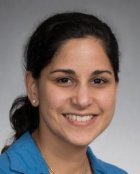
Maya Sardesai, M.D., M.Ed.
Assistant Dean for Student Development
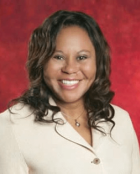
Michelle Terry, M.D.
Assistant Dean for URMS Career Development
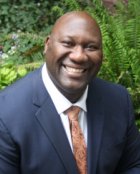
Gerald Tolbert, M.D.
Assistant Dean for Student Support
Edith Wang, Ph.D.
Assistant Dean for Basic Science
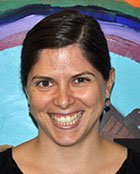
Janelle Clauser, M.D.
UW School of Medicine Spokane
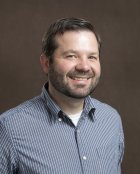
John D. Willford, Ph.D.
University of Wyoming
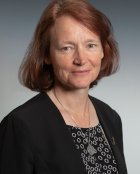
Kathy Young, M.D.
University of Alaska
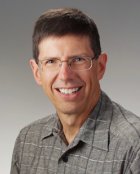
Martin Teintze, Ph.D.
Montana State University
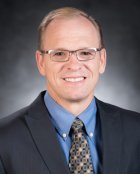
Jeffrey Seegmiller, Ed.D.
University of Idaho
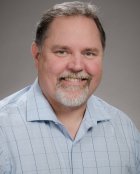
Devin Sawyer, M.D.
Western Washington

Geoffry Jones, M.D.
Eastern and Central Washington
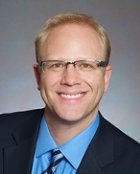
Darin Eckert, M.D.
Spokane, Washington
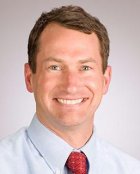
Robert Monger, M.D.
Wyoming
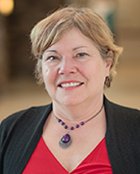
Barbara Doty, M.D.
Alaska
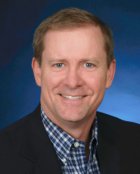
Jay S. Erickson, M.D.
Montana
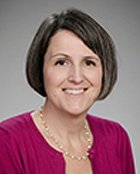
Mary Barinaga, M.D.
Idaho
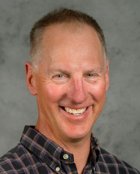
Frank Batcha, M.D.
Idaho
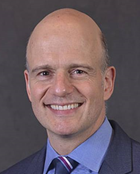
Anesthesiology and Pain Medicine
G. Burkhard Mackensen, M.D., Ph.D., FASE
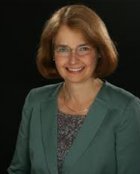
Biochemistry
Trisha N. Davis, Ph.D.
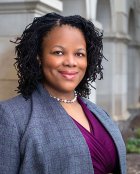
Department of Bioengineering
Princess Imoukhuede, Ph.D.
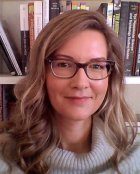
Bioethics and Humanities
Amy Hinterberger Ph.D.
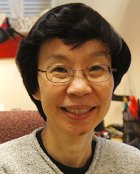
Biological Structure
Rachel Wong, Ph.D.
Biomedical Informatics and Medical Education
Peter Tarczy-Hornoch, M.D.

Comparative Medicine
Thea Brabb, D.V.M.,Ph.D., Dipl. ACLAM
Dermatology
Paul Nghiem, M.D., Ph.D.
Emergency Medicine
Susan A. Stern, M.D.
Family Medicine
Paul James, M.D.
Genome Sciences
(Interim Chair)
Maitreya Dunham, Ph.D.
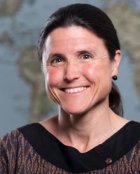
Global Health
(Interim Chair)
Carey Farquhar, M.D., M.P.H.

Health Metrics Sciences
Christopher J.L. Murray, M.D., D.Phil.
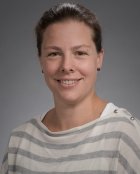
Immunology
Marion Pepper, Ph.D.
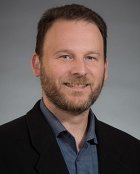
Laboratory Medicine and Pathology
Geoffrey Baird, M.D., Ph.D.
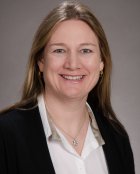
Medicine
Barbara Jung, M.D.
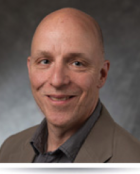
Microbiology
David Sherman, Ph.D.
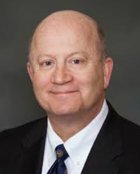
Neurological Surgery
Richard G. Ellenbogen, M.D.
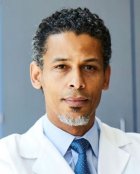
Neurology
Thabele “Bay” Leslie-Mazwi, M.D.
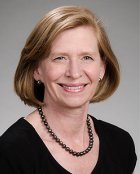
Obstetrics and Gynecology
Barbara Goff, M.D.
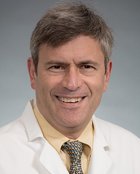
Ophthalmology
Russell Van Gelder, M.D., Ph.D.
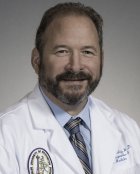
Orthopaedics and Sports Medicine
Howard Chansky, M.D.
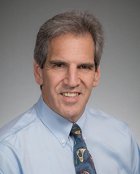
Otolaryngology / Head and Neck Surgery
Neal D. Futran, M.D., D.M.D.
Pediatrics
Leslie Walker-Harding, M.D., F.A.A.P., F.S.A.H.M.
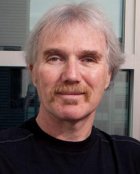
Pharmacology
John D. Scott, FRS

Physiology and Biophysics
Elizabeth Buffalo, Ph.D.
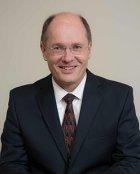
Psychiatry and Behavioral Sciences
Jürgen Unützer, M.D., M.P.H., M.A.
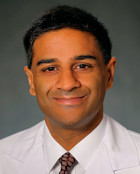
Radiation Oncology
Ramesh Rengan, M.D., Ph.D.
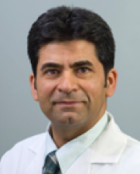
Radiology
Dushyant Sahani, M.D.
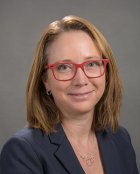
Rehabilitation Medicine
Janna L. Friedly, M.D., M.P.H.
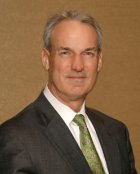
Surgery
Douglas E. Wood, M.D.
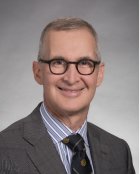
Urology
Hunter Wessells, M.D.
Support next-generation medical education.
Our programs empower future medical professionals dedicated to elevating health in rural and underserved communities in our region and around the world. The UW School of Medicine offers a number of ways to invest in tomorrow’s leaders. From donating to our scholarship fund to supporting the continuation of the WWAMI program or giving the gift of medical research, there are many giving opportunities to explore.