Dr. Zhou is a skilled spine surgeon at Harborview and helps patients with a variety of conditions, including cervical and lumbar disc problems.
Spine surgery
Surgical treatments for back or neck pain provided by our team of expert spine surgeons.
Spine surgery
Surgical treatments for back or neck pain provided by our team of expert spine surgeons.

Spine surgery at UW Medicine
Sometimes, surgery is your best option to treat a spine condition, especially when nonsurgical treatment isn’t working. At UW Medicine you can have peace of mind, knowing you’ll receive care from expert surgeons with advanced training in spine procedures. From diagnosis to treatment, we’ve got your back.
What is a spine surgeon?
Spine surgeons are doctors that specialize in the treatment of conditions related to the spine. Spine surgeons can be trained in orthopedic or neurological surgery. To become a spine surgeon, both types of specialists receive advanced training in a variety of similar surgical procedures. Because of this, most surgeries are performed by either specialty.
Our orthopedic surgeons and neurosurgeons are part of the region’s only complex Level I trauma center. That means our team has experts for every type of condition. We’ll match you with the surgeon who’s the right fit for your condition to provide the best possible care.

Haitao Zhou, MD
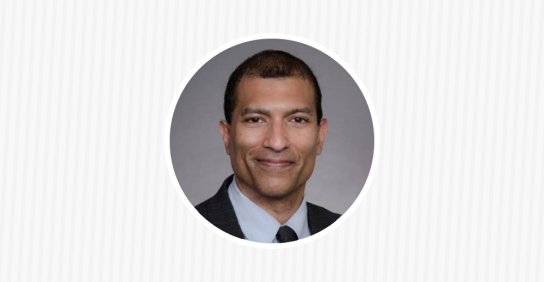
Mahesh Karandikar, MD
As a spine surgeon, Dr. Karandikar treats simple to complex spine issues, including disc degeneration and radiculopathy (pinching of the nerves at the root).
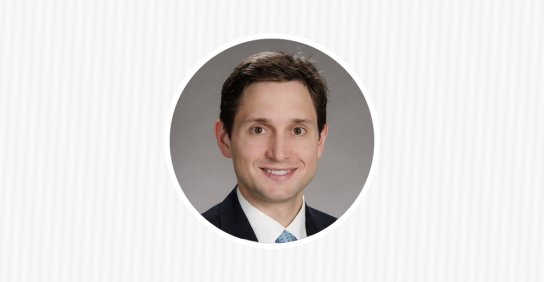
Robert H. Bonow, MD
Dr. Bonow is a spine surgeon who brings the latest evidence-based care to each and every patient.
Diagnosing spine conditions
Our spine surgeons use a wide range of imaging to assist in diagnosing spine conditions, including:
- X-ray – Produces images of bones of the spine
- Computed tomography (CT) – Best for imaging the bones of the spine
- CT myelography – Uses CT technology and contrast dye to evaluate for compression of spinal cord and nerves
- Electrodiagnostic testing and electromyography (EMG) – Measures the electrical activity in nerves and muscles
- Magnetic resonance imaging (MRI) – Creates images of your spine that allow for better definition of nerves, spinal cord and soft tissues
Our radiologists are board certified and specialize in neuroradiology. That means they have advanced training to examine your test results and accurately diagnose spine conditions.
Surgical spine services
Our goal is always to use the least invasive techniques required to get you back as quickly as possible to the activities you love. You can count on your surgeon to:
- Take the time to listen and answer questions
- Thoroughly investigate the cause of your symptoms
- Partner with you to develop a care plan tailored to your needs
The following are some of the most common types of surgical procedures we offer.
Decompression surgery
Decompression surgery, including discectomy and laminectomy, is designed to relieve pressure on nerves or the spinal cord. It can involve removing some of the bone, ligaments and disc material. These can often be performed as outpatient procedures, meaning you can go home the same day.
Minimally invasive surgical techniques
Minimally invasive surgical techniques, including endoscopic spine surgery, can allow for a quicker recovery. When appropriate, our surgeons can make smaller incisions using advanced technology and equipment such as a special camera to treat spinal conditions like stenosis, sciatica or herniated discs.
For more information, visit the Minimally Invasive Spine Surgery page >>
Spine fusion
This procedure connects, or welds, two or more bones in the spine to prevent movement between the bones. This procedure may reduce pain, improve alignment and provide more spinal stability. It is commonly used to treat scoliosis, an abnormal curve in the spine, or spondylolisthesis, a condition where the vertebrae (bones of the spine) are out of alignment.
Complex surgical reconstruction or revision
This type of surgery is used to correct abnormal curves of the spine, such as scoliosis or kyphosis, or to revise prior neck or back surgeries.
Fracture management
Fractures of the spine can be treated in several different ways, including:
- Nonsurgical management
- Kyphoplasty and vertebroplasty – Minimally invasive procedures to strengthen your bone
- Surgery – Our team is experienced in treating trauma to the spine
Artificial disc replacement
This motion preserving surgery treats nerve compression in the neck. When deciding between this and other procedures, your surgeon will consider the best option for you.
Tumor or cancer surgery
Procedures to remove or shrink tumors. Examples include:
- Stereotactic radiosurgery for metastatic lesions
- Tumor excision – Surgical removal of tumors may be combined with procedures to decompress nerves and stabilize the spine
Spine surgery center locations


Spine Center at Harborview
Ninth & Jefferson Building, 908 Jefferson St., Seattle, WA 98104
Medical Specialty
Spine Care
